Being a No1 Fan in the Girls’ Game

Parents of girls in the academy system are navigating a mix of opportunity, pressure and uncertainty. This handout is for you to help you feel more confident, calm and supported as you walk alongside your daughter from under 14 through to under 21.
What It Means to Be Her No1 Fan
Your daughter’s football journey is about more than matches and selection. It is about who she is becoming, her confidence, character, friendships and future options on and off the pitch. As parents and carers, you are the support system behind the football system, and how you show up can shape how she experiences both the highs and the lows.
Being a No1 Fan is not about having all the answers or fixing every problem. It is about being steady and present, listening more than talking, and keeping football in perspective when emotions are high – showing her that she is valued as a person first and a player second.
- You do not need to be a football expert to be a great parent in football.
- Your calm presence, especially after tough games or decisions, is more powerful than you think.
The Rollercoaster from U14–U21

The teenage years and early adulthood can feel like a rollercoaster for everyone. Bodies, brains, friendships and football all change at once. The game gets more competitive, decisions feel bigger, and communication at home can get harder.
Peers, coaches and social media start to influence how she sees herself, and she may share less with you even when she still needs you. Selection, injuries, growth and the step up in standards can feel “unfair”, and it can be painful to watch when you cannot fix it, especially when places in the girls’ and women’s game are limited.
- Some weeks you may feel like everything is going well; the next week it can feel like everything is falling apart.
- It is normal for both you and your daughter to feel tired, confused or emotional at times.
Listen to this video clip from teacher and football consultant Jono Santry who talks about the rollercoaster life in football and how it’s never straightforward. Jono’s full interview can be watcher here.
Balancing Education and Football
From GCSEs through to college, sixth form, university or apprenticeships, girls in the pathway are juggling serious football with serious education. The aim is not to choose one over the other but to keep doors open for as long as possible.
The reality in the girls’ and women’s game is that it is still developing, and there are not yet enough first‑team places for the number of talented players coming through. That means the chances of your daughter needing to rely on her education and skills outside football to build a career and income are very high, even if she plays at a good level for many years.
Jono Santry, talks here about how parents can help balance school with football aspirations.
What can help: A simple weekly plan can help – putting school, training, matches, homework and rest on paper so you can both see where the pressure points are. It also helps to talk early with school or college about key dates and demands, and to encourage your daughter to ask for support, rather than waiting until she feels overwhelmed. When you are ready, you might find it helpful to explore workshops and resources on exam pressure, next steps after youth development or life after release to give you more tools and language for these conversations.
- Try to agree some non‑negotiable “study times” and some non‑negotiable “rest times”.
- Remind your daughter that doing well in education is not a sign she has “given up” on football – it is part of backing herself for the future.
Family, Friends, Social Life and Work

As girls move through the age groups, their world widens. Friendships shift, social events clash with fixtures, and some players start part‑time work or move away from home for football or study. It can be hard for your daughter to feel like a “normal” teenager or young adult when her evenings and weekends are taken up by training and games.
Teammates can become like family, but there can also be tension and comparison, especially around selection, contracts and social media. Staying at home while others move away, or moving away while friends stay local, can both bring big feelings and questions about whether she is making the right choices.
Protecting some non‑football family time each week shared meals, a walk, or a film helps everyone breathe. Showing interest in her non‑football friendships and hobbies reminds her she is more than her role as a player. No1Fan video conversations with parents and players about moving clubs, going away from home or managing social life alongside football can also offer comfort and practical ideas.
- You might decide one evening a week is “no football talk” night.
- Small, regular check‑ins like “How are things with your friends?” can open more honest conversations over time.
Health and Wellbeing
Health and wellbeing in the girls’ game is about the whole person – body, mind and emotions. This includes injuries, menstrual health, energy levels, sleep, body image, confidence and anxiety. Ignoring these areas can increase the risk of burnout or longer‑term problems.
Injuries or illness can feel like everything has stopped, especially when others are moving forward. It can be tempting for your daughter to push through pain or hide how she is feeling in case it affects selection. At the same time, big changes at home or school can spill over into football performance and behaviour.

Encouraging open conversations about pain, fatigue, mood and mental health – and backing her if she needs medical advice or rest – sends a strong message that her wellbeing comes first. Letting the club know about major challenges at home or school can also help them respond with understanding rather than assumptions. You might find it useful to watch or read No1Fan content that focuses on injuries, resilience and looking after your own wellbeing as a parent, so you can support her without burning out yourself.
- Notice changes in sleep, appetite, mood or attitude around football and gently ask what might be behind them.
- Give yourself permission to seek support too – from trusted friends, professionals or parent communities.
Football Development and Pathways
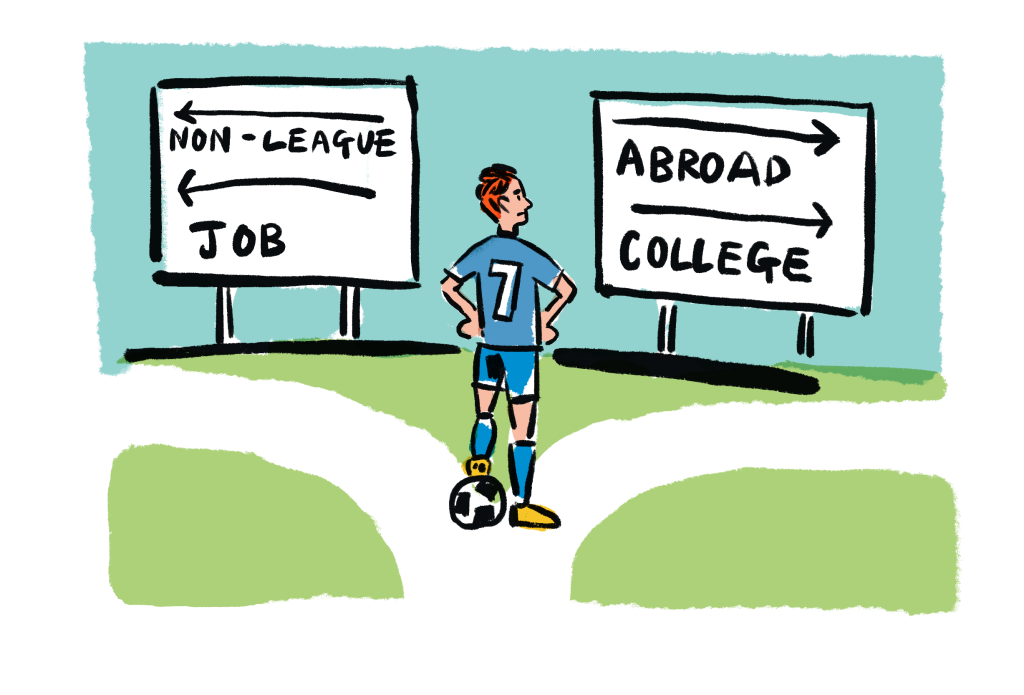
From under 14 to under 21, the pathway becomes more competitive and less clear. There may be trials, movement between teams, playing up or down age groups, scholarships, university programmes and, for some, professional contracts. It often does not feel fair.
Some players jump ahead, others sit on the bench, and many face release or rejection at some point. People around you may make comments such as “She’s definitely going pro” or “Why bother if she might not make it?”, which can add pressure. These labels make every setback feel bigger, for your daughter and for you.

Some players jump ahead, others sit on the bench, and many face release or rejection at some point. People around you may make comments such as “She’s definitely going pro” or “Why bother if she might not make it?”, which can add pressure. These labels make every setback feel bigger, for your daughter and for you.
Focusing on what your daughter can control – her effort, attitude and how she responds to setbacks – helps to steady things when the system feels shaky. Talking about football as one chapter in a longer life story also matters: there are many ways to stay connected to the game over time, at different levels and in different roles.
For more on this, you might like to explore No1Fan resources on examples of the girls pathway.
And also other videos on scholarship and contract decisions, next steps after youth development and understanding different pathways in the women’s game click here to find out more.
- After tough news, try questions like “What did you learn from this?” or “What’s one thing you want to work on now?”
- Keep reminding her that being released or missing out once does not close every door in football or in life.
Check out these top three tips from Lionesses Georgia Stanway’s mum Joanne. She shares what helped to keep Georgia and Joanne motivated and also what she’s do differently, if she had the time again.
Understanding the Business Side
As girls get older, the business side of football becomes more visible: agents, contracts, social media, sponsorship and image rights. This can feel exciting and intimidating at the same time, especially in a fast‑growing women’s game where things are changing quickly.
Agents are there to look for opportunities and negotiate deals, but choosing one is a big decision. It should feel like a good fit for your daughter and your family, not just a fast route to a contract. It is wise to take your time with any approach: ask questions, talk to other parents, check someone’s track record and, where possible, get independent legal advice before signing anything. You can find out more and see dates for No1Fan’s “Finding the Right Agent” workshop on the What’s On page:
https://no1fan.club/whats-on/

Football agent Lindi Ngwenya discusses the crucial role of parents in a young football player’s career. 👇🏽
Social media and sponsorships can open doors but also bring pressure. It helps to talk together about what she posts, who sees it and what kind of image she wants to build over the long term. No1Fan’s business‑focused workshops and videos include honest conversations with agents, lawyers and parents about contracts, social media and commercial deals, giving you questions to ask and red flags to watch for.
- Be cautious of anyone promising quick success or putting pressure on you to sign fast.
- Encourage your daughter to think “Will I be happy to see this post or partnership in a few years’ time?”
Listen to a few words of wisdom from Sports Lawyer Daniel Geey on understading the business. For more on this, check out our whole Business Insights series on things you need to know as your daughter enters in to the professional game.
Stay Connected with the No1Fan Community
You do not have to do this on your own. There is a growing community of parents and carers facing similar questions and emotions in the girls’ game.
Stay connected with our community and explore membership options here:
https://no1fan.club/membership-options/
As a member, you can engage in conversation, ask questions or be a support to other parents just like you in our discussion forum:
https://no1fan.club/forums/
And do not forget to sign up and join our next online Live Q&A, where you can bring your own questions and hear from others in real time:
https://no1fan.club/events/free-live-qa/